Exploring the World's Most Useless Megaprojects
This blog post delves into some of the most infamous megaprojects around the globe that have become iconic failures due to mismanagement, unrealistic ambitions, and lack of practicality. From ghost towns in Malaysia to abandoned airports in Spain, these projects highlight the consequences of hubris in urban development.
Across the globe, governments, developers, and power players have attempted to build the future at a mega scale, creating cities with no roads, airports with no planes, and towers with no purpose. The pitch is always the same, centering around innovation, efficiency, and progress. However, many of these projects are so wildly over-engineered, mismanaged, or untethered from reality that they become iconic failures. In this post, we will take a global tour of the most infamous megaprojects ever attempted—those that ran out of money, people, physics, and common sense.
Forest City, Malaysia
We begin our journey in Malaysia, where Forest City was envisioned as Southeast Asia's most ambitious urban development. This $100 billion project promised a utopia for 700,000 residents living in luxury waterfront condominiums. However, the reality is starkly different. Joan, a resident on the 28th floor of a high-rise, describes the eerie silence of the building, which is mostly empty.
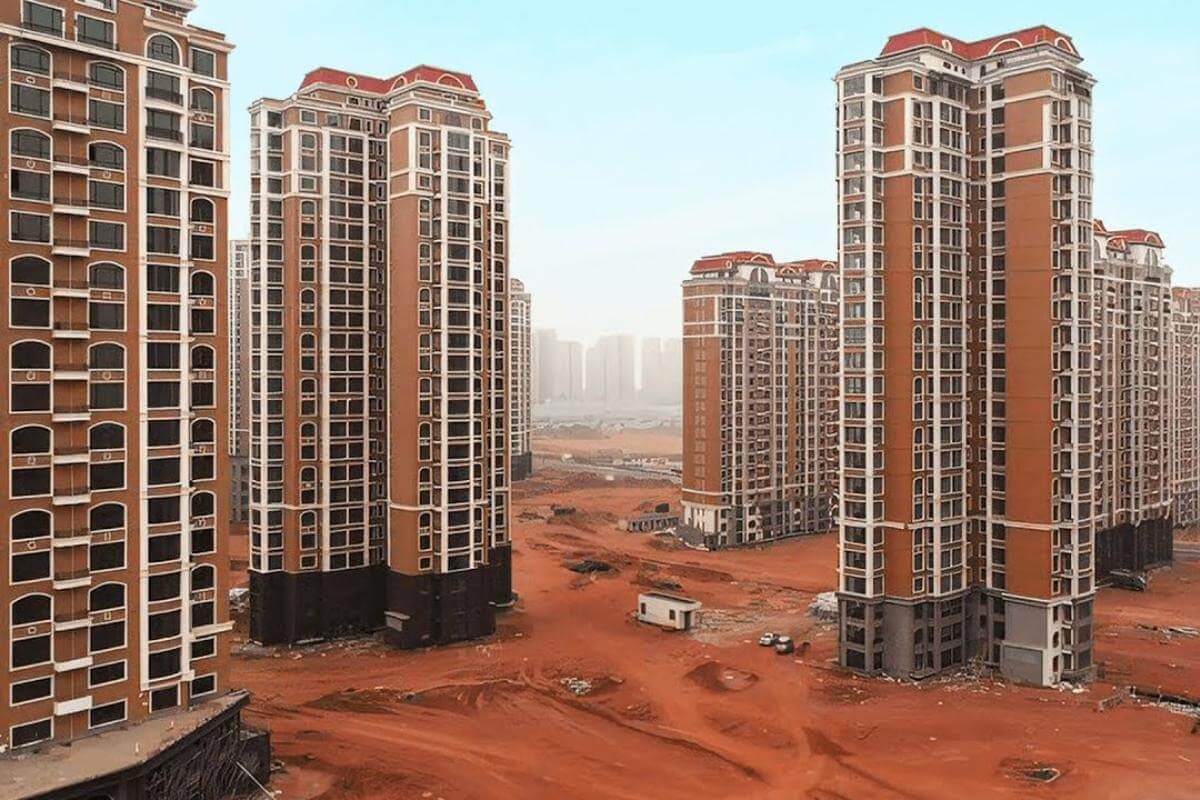
Launched by China's largest property developer, Country Garden, in 2016, the project was aimed at wealthy Chinese investors seeking luxury properties abroad. However, strict capital controls imposed by the Chinese government and changes in Malaysia's visa policies led to a dramatic decline in interest. Today, only about 1% of the development is occupied, leaving behind a ghost town that has ironically become a tourist attraction for its unique atmosphere.
Egypt's New Administrative Capital
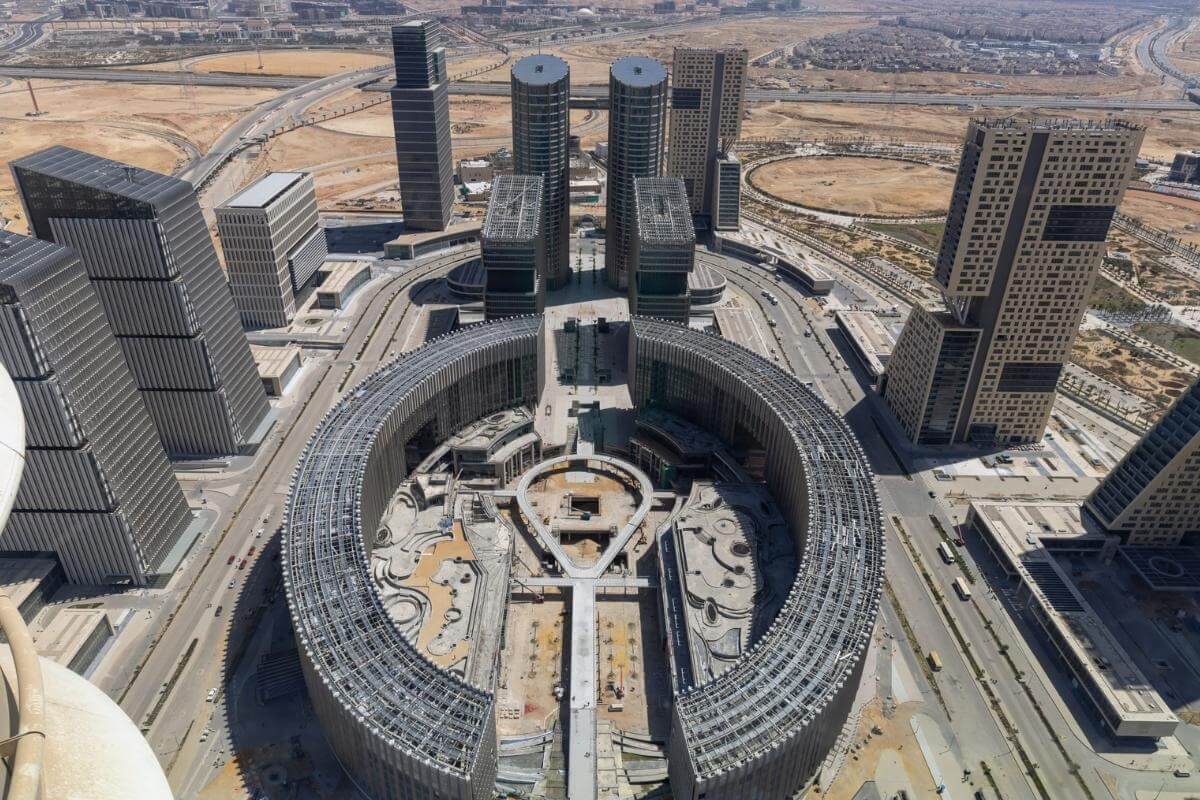
Next, we travel to Egypt, where the government is constructing an entire city from scratch—Egypt's new administrative capital. This $58 billion project aims to alleviate the problems of Cairo, which is bursting at the seams with 22 million residents. The new city is planned to include Africa's tallest building and a massive cathedral, but it is also 51% owned by the military, raising concerns about its true purpose.
With the cheapest apartments starting at $50,000 in a country where the average income is around $3,000, the question remains: who will live in this new city? Surveillance measures are extensive, with over 6,000 cameras monitoring the streets, leading some to speculate whether this project is merely a facade to cover up deeper societal issues.
The Ryugyong Hotel, North Korea
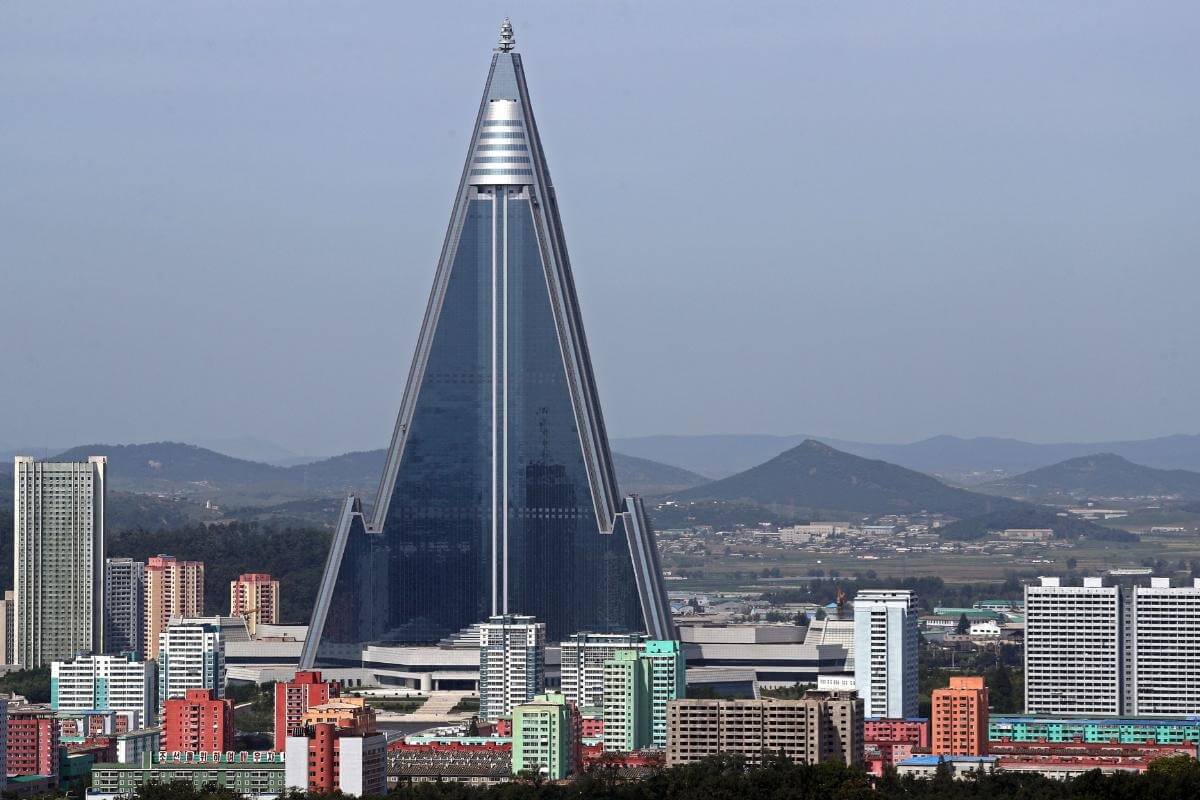
In North Korea, the Ryugyong Hotel stands as a testament to failed ambition. This 105-story concrete pyramid has loomed over Pyongyang since 1992 without hosting a single guest. Initially conceived to showcase North Korea's strength during the Cold War, construction halted due to financial issues, leaving the building as a naked concrete shell for 16 years.
After resuming construction in 2008, the hotel was covered with glass and metal panels, but the interior remains unfinished. Today, it serves as a monument to the regime's failed ambitions, projecting propaganda videos on its exterior while remaining empty inside.
The Line, Saudi Arabia
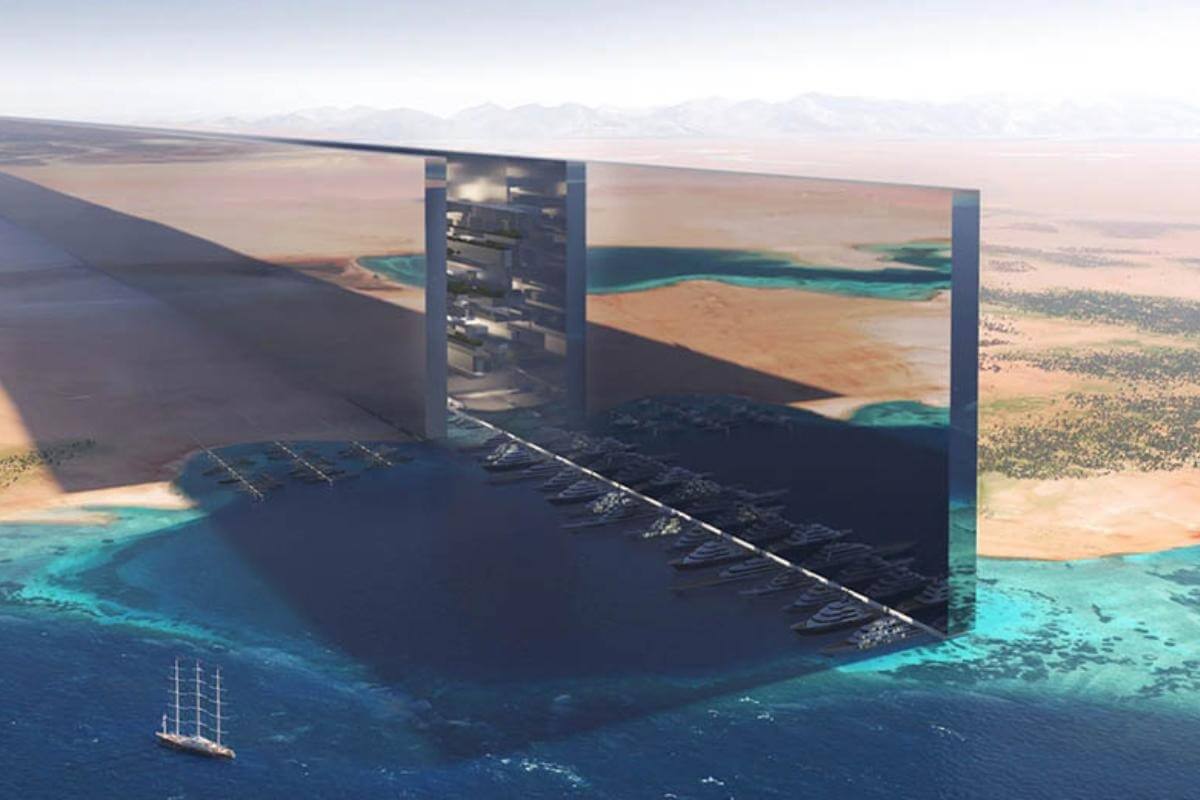
In Saudi Arabia, a futuristic project known as The Line is being constructed in the desert. This mirrored skyscraper is designed to house 9 million people without cars or roads, featuring flying taxis and artificial weather systems. However, the project faces significant engineering challenges, particularly due to the extreme temperature fluctuations in the desert.
Reports of human rights abuses during the construction phase have surfaced, with security forces allegedly clearing villages to make way for the project. Despite spending over $50 billion, only 2% of The Line has been constructed, raising questions about its feasibility and the human cost of such grand ambitions.
The World Islands, Dubai
Dubai's World Islands project aimed to create a luxurious archipelago for the elite, but it has become a tragic failure. After spending billions to create artificial islands, the project was hit hard by the global financial crisis, leading to halted construction and abandoned plans. Today, the islands are sinking back into the sea, with only a few developed areas remaining.
California's High-Speed Rail
In California, the high-speed rail project promised to connect San Francisco and Los Angeles in just 2 hours and 40 minutes. However, after spending over $13 billion, not a single mile of track has been laid, and the estimated cost has ballooned to $113 billion. Political mismanagement and poor planning have led to a project that seems destined for failure.
Berlin Brandenburg Airport
The Berlin Brandenburg Airport is another example of a megaproject gone wrong. After nearly three decades and $7 billion spent, the airport opened in 2020 during a global pandemic, having faced over 550,000 defects during construction. It serves as a reminder of how not to build infrastructure.
Yuca Mountain, Nevada
In the Nevada desert, Yuca Mountain stands as the most expensive empty tunnel in history, costing $19 billion. Intended as a nuclear waste repository, the project faced numerous issues, including geological instability. Ultimately, it was abandoned, leaving behind a costly reminder of mismanagement.
Conclusion
As we reflect on these megaprojects, a common thread emerges: ambition often overshadows practicality. Each of these projects represents a grand vision that ultimately succumbed to hubris, mismanagement, and a disconnect from reality. While they serve as cautionary tales, they also highlight humanity's relentless desire to push boundaries and leave a mark on the world. Perhaps the next generation will learn from these failures, or they may simply embark on their own ambitious endeavors, convinced that their projects will succeed where others have failed.
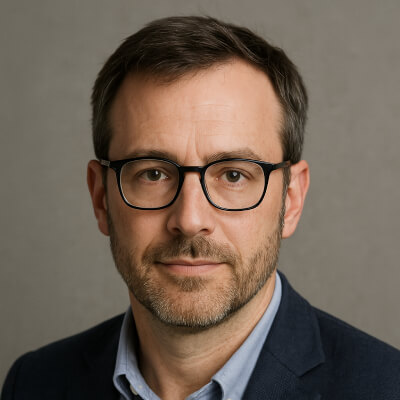
Albert Harmon is a journalist and global affairs writer fascinated by the intersection of architecture, economics, and human ambition. With over a decade of experience exploring urban development trends, Albert brings stories of innovation — and failure — to life through thoughtful analysis and engaging storytelling.